
Could herbal remedies be the secret weapon against Lyme Disease?

Lyme disease, an illness caused by the bacterium Borrelia burgdorferi (B. burgdorferi), impacts the lives of hundreds of thousands of people across the U.S. every year. Transmitted through the bite of an infected tick, this condition is currently treated with antibiotics like doxycycline, cefuroxime, and amoxicillin. But what if the key to a better, more effective treatment lies in nature itself?
Researchers have been delving into plant-based remedies, and their findings might surprise you. In a recent study from Johns Hopkins Bloomberg School of Public Health and the California Center for Functional Medicine, two herbal heavyweights—Japanese knotweed and Ghanaian quinine—showed remarkable potential in tackling the persistent, antibiotic-resistant bacteria behind Lyme disease.
Why It's So Hard to Beat Lyme Disease
For most people, a round of antibiotics will wipe out the bacteria that cause Lyme disease. But for others, it's not that simple. In some cases, the bacteria develop a resistance to medication, forming dormant “persister cells” that antibiotics can’t fully destroy. These stealthy survivors allow the disease to linger, prolonging symptoms and making effective treatment even harder.
Could nature offer a more powerful alternative to antibiotics? Exciting new research says the answer might be “yes.”
The Plant Powerhouses That Beat Antibiotics
The study, published in the journal Frontiers in Medicine, tested 14 different plant extracts to see how well they could eliminate B. burgdorferi compared to conventional antibiotics. The results were eye-opening: Seven plant compounds outperformed the antibiotics against both free-floating bacteria and dense bacterial colonies known as microcolonies.
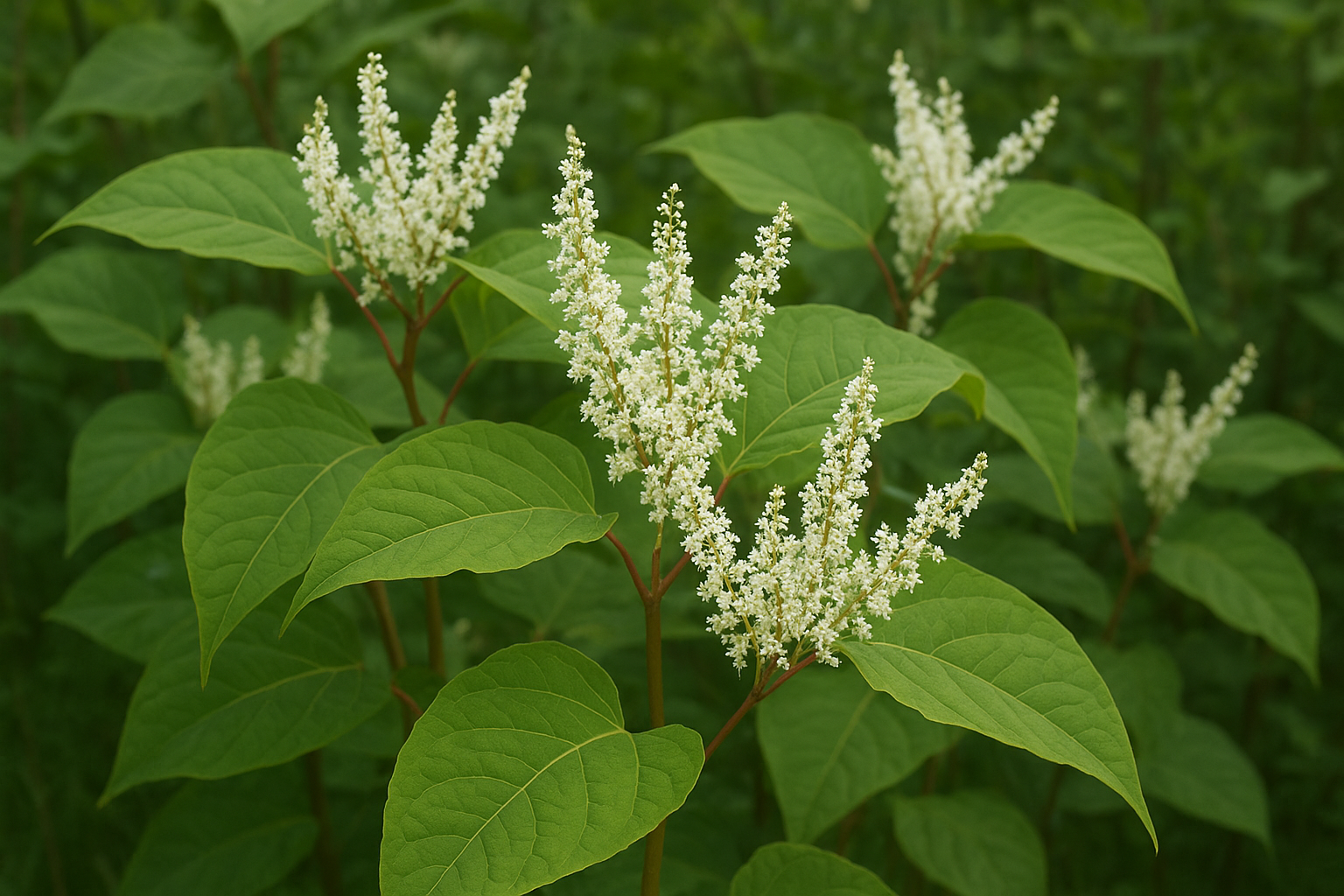
The standouts? Japanese knotweed (Polygonum cuspidatum) and Ghanaian quinine (Cryptolepis sanguinolenta). Both extracts exhibited extraordinary antibacterial activity, even at low concentrations as small as 0.03–0.5% in lab tests.
In fact, just one seven-day treatment with a 1% Ghanaian quinine extract completely eradicated B. burgdorferi in lab dishes—no rebound, no comeback. Now that’s impressive.
What Makes These Plants So Special?
So, what’s the secret behind these superplants?
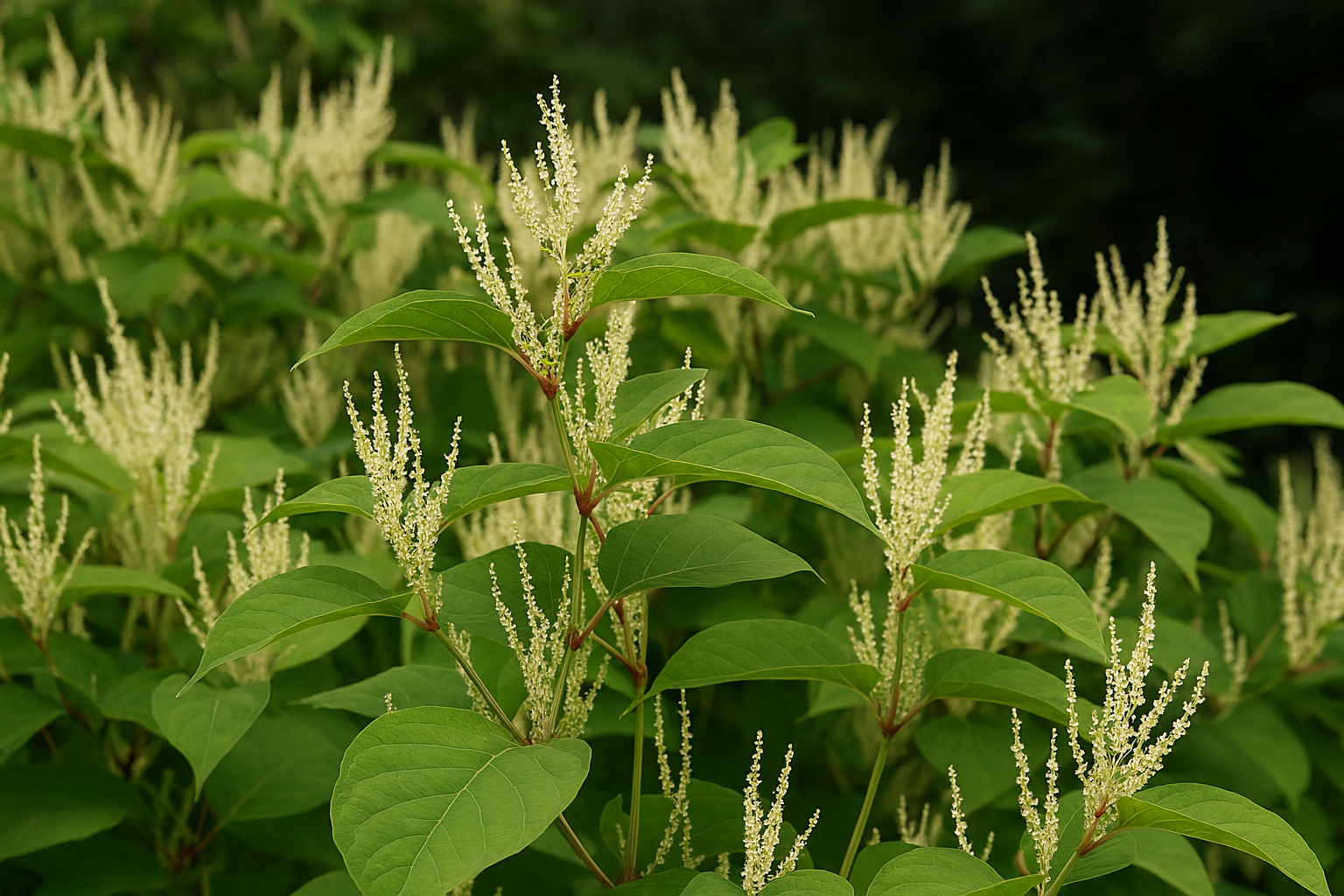
- Japanese Knotweed: This commonly overlooked plant is packed with resveratrol, a potent antioxidant best known for its role in protecting heart and brain health. Resveratrol has also been linked to anti-cancer properties, but this study highlights its ability to wipe out stubborn Lyme bacteria.
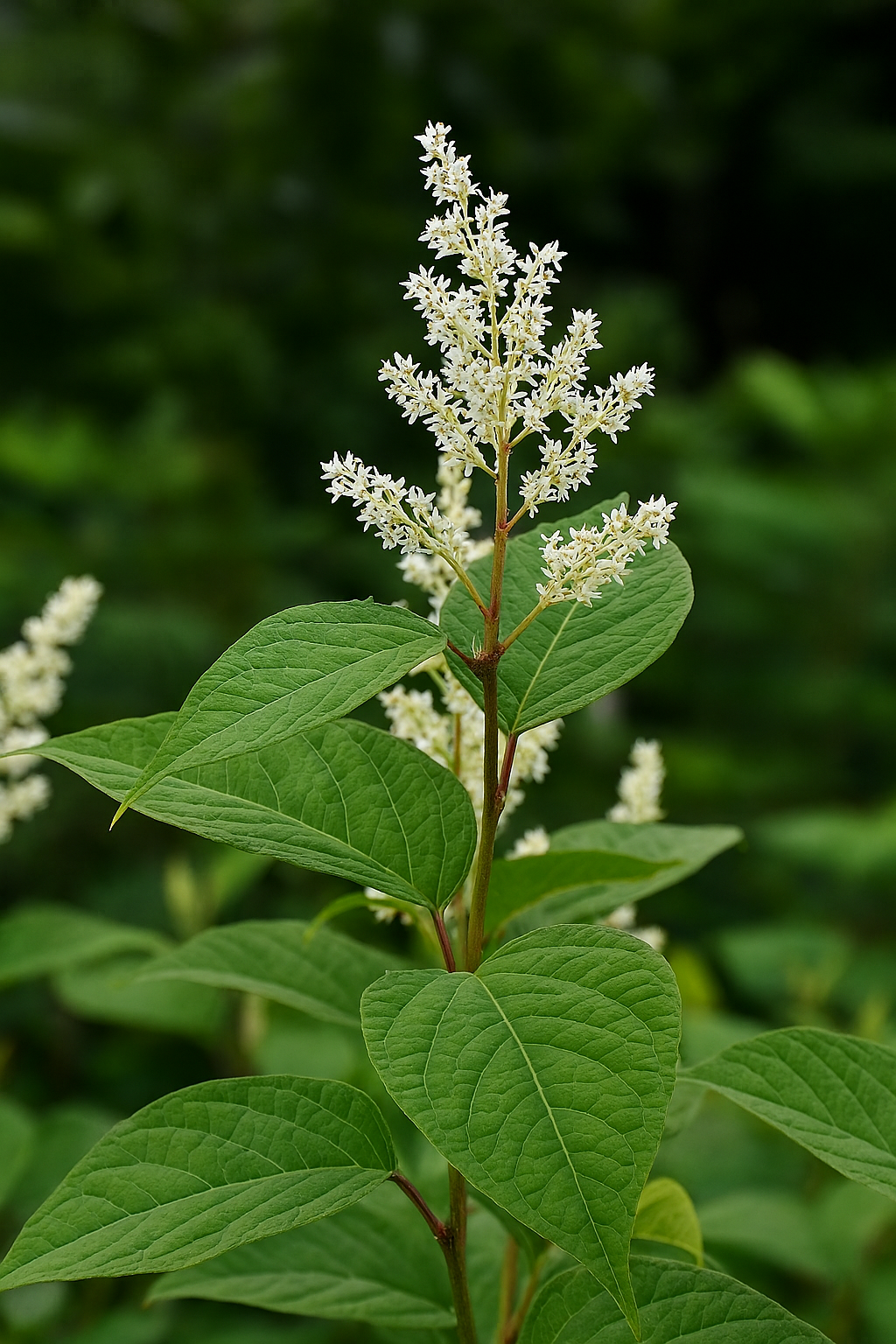
- Ghanaian Quinine: The active ingredient here is cryptolepine, an alkaloid long prized in traditional medicine for its ability to combat malaria, hepatitis, tuberculosis, and other infections. Now, scientists believe it could be a game-changer for Lyme disease too.
“These herbs have potent activity against Lyme disease bacteria, especially the dormant persister forms that aren’t killed by the current antibiotics,” explains study co-author Prof. Ying Zhang.
Other Plants That Show Promise
While Japanese knotweed and Ghanaian quinine took the spotlight, some other herbal extracts didn’t go unnoticed.
Black walnut, cat’s claw, sweet wormwood, Chinese skullcap, and Mediterranean rockrose also proved highly effective in the lab. Each of these plants has a long history of use in folk medicine, but this study brings them into the spotlight as potential allies against B. burgdorferi.
Not All Remedies Are Created Equal
Of course, not every plant is up to the fight. Extracts from stevia, ashwagandha, grapefruit seeds, Japanese teasel, and fuller’s teasel offered disappointing results, proving ineffective against Lyme bacteria. Similarly, popular alternative treatments such as colloidal silver and monoglyceride monolaurin fell flat in lab tests.
This underscores the importance of scientific research: even a remedy that’s widely hyped in natural health circles may not live up to the claims.
What Comes Next?
While this is a promising step forward, there’s more work to be done. These results are from lab-based studies, which means we still need animal and human trials to determine whether these herbal treatments are safe and effective in real-world scenarios.
“Patients and clinicians are increasingly turning to herbal remedies as additional treatment options,” says study co-author Dr. Jacob Leone. “We hope these findings will help point the way toward a greater understanding of these therapies.”
That said, Dr. Leone stresses the importance of further research before these treatments can be widely recommended. While nature’s pharmacy may hold exciting possibilities, nothing replaces comprehensive clinical studies when it comes to patient safety.