
New study reveals possible new treatment for Lyme disease

For decades, Lyme disease treatments relied heavily on standard antibiotics, which usually tackle the infection. However, for up to 20% of those afflicted, these antibiotics fall short, leaving behind persistent symptoms like muscle pain, fatigue, and cognitive impairment that can last years—or even a lifetime.
Enter a game-changing study from Stanford Medicine. Lab dishes and mice revealed that azlocillin, a remarkable drug, can completely eradicate the Lyme-causing bacteria, Borrelia burgdorferi, right at the disease's onset. Not just that, it could also prove effective against stubborn, drug-resistant bacteria that linger on.
"This compound is just amazing," said Dr. Jayakumar Rajadas, an assistant professor and director of the Biomaterials and Advanced Drug Delivery Laboratory at Stanford. "It clears the infection without a lot of side effects. We are hoping to repurpose it as an oral treatment for Lyme disease." Rajadas, the study's senior author, celebrated the breakthrough, which was published in Scientific Reports on March 2. Research associate Dr. Venkata Raveendra Pothineni also praised the compound, adding, "We've screened almost 8,000 chemical compounds and tested 50 in dishes. The most effective and safest went to animal models. Meeting those suffering from this horrible disease fuels our goal to stop it."
Desperate for a better treatment for Lyme disease patients with lingering symptoms, Rajadas and his team embarked on a quest in 2011. A study published in 2016 shortlisted 20 promising compounds from about 4,000, all FDA-approved for various uses.
Now, azlocillin outshines all others, besting 7,450 compounds by effectively killing B. burgdorferi with minimal side effects. Lyme disease affects over 300,000 people annually in the U.S., causing a wide range of symptoms and complications if untreated. Traditional antibiotics like doxycycline work for most but fail in 10-20% of cases, possibly due to drug-tolerant bacteria or an immune disorder triggered by initial infection, according to Rajadas.
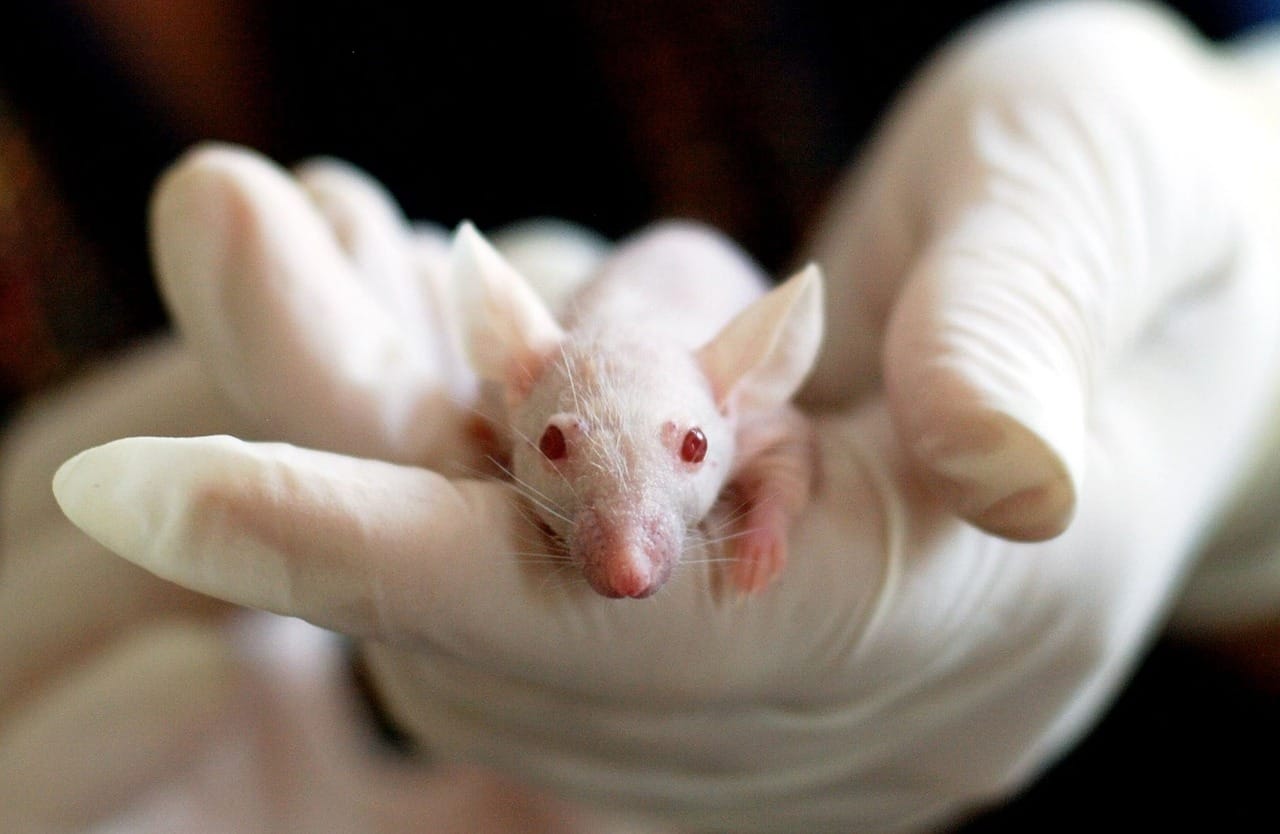
Testing in mouse models at intervals showed azlocillin's potential to eliminate the infection. It even tackled drug-tolerant forms of B. burgdorferi in lab dishes, indicating its promise for patients with persistent symptoms.
Patented for Lyme disease treatment, azlocillin is being developed into an oral drug, with clinical trials on the horizon. Rajadas also holds a faculty position at UC-San Francisco, and the study included contributions from other Stanford researchers and a collaborator from Loyola College in India. Funding came from the Bay Area Lyme Foundation and the Laurel STEM Fund.