
Lyme Disease: Critical Facts, Stages, and Urgent Need for Early Action

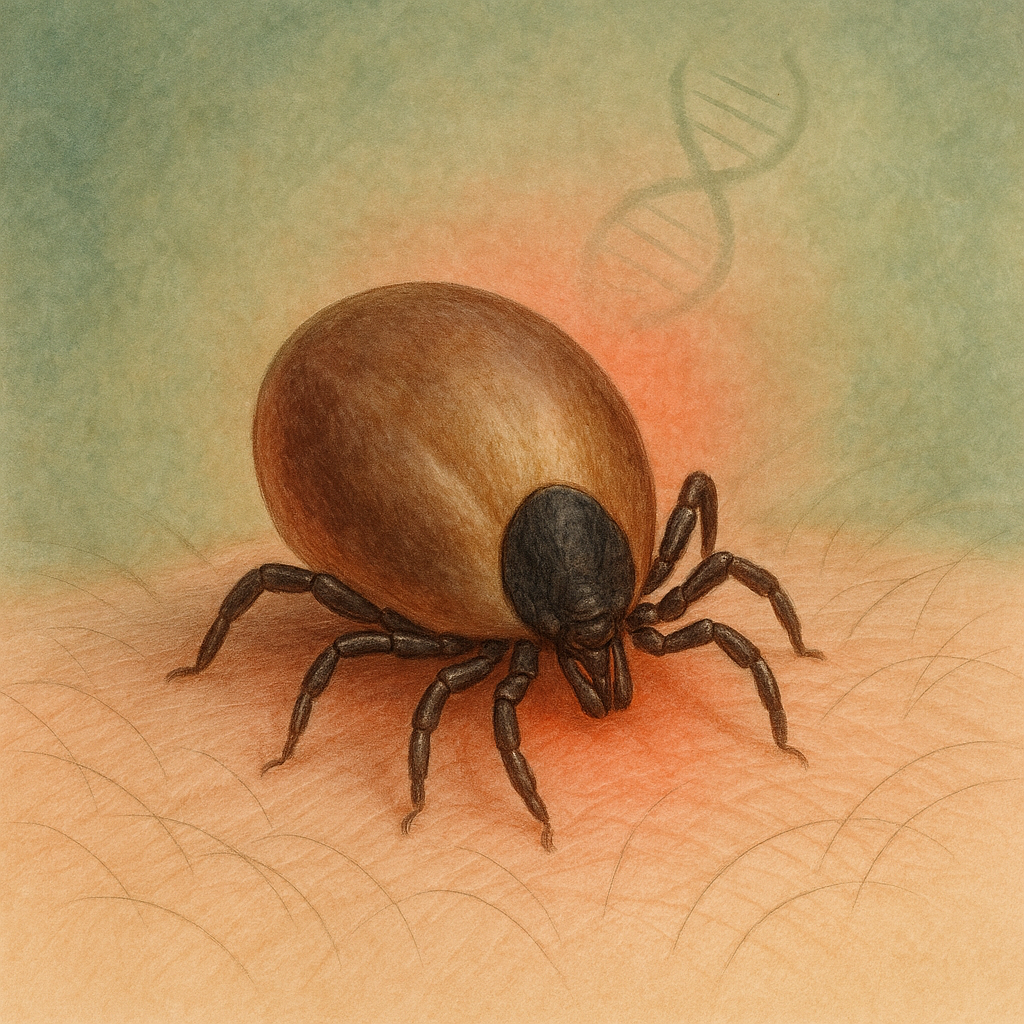
If left untreated, Lyme disease caused by Borrelia burgdorferi (a bacteria transmitted via tick bites) can progress to stage 3 or chronic Lyme disease, resulting in serious complications. Because tick bites are painless and often unnoticed, infection can spread before symptoms appear. Timely diagnosis and treatment are crucial.
How Lyme Disease Spreads
Ticks introduce the bacteria when they bite and feed, leading to a multisystem illness. Symptoms typically appear 7–14 days post-bite, though they can occur anytime between 1 to 30 days. Lyme disease progresses in three distinct stages, each escalating in severity if untreated.
Stage 1: Early-Localized Disease (1–30 Days Post-Bite)
Key Indicators:
- Erythema migrans (“bullseye” rash): Red rash at or near the bite site, appearing ~7 days after infection. It may itch, burn, or remain asymptomatic, expanding if not treated (lasting 2–3 weeks).
- Flu-like symptoms in about 50% of patients: Fatigue, chills, fever, headache, muscle or joint pain.
Early treatment at this stage ensures the best prognosis.
Stage 2: Early Disseminated Disease (Weeks 3–10)
Once bacteria spread through the bloodstream or lymphatic system, multiple systems may become compromised. Symptoms include:
- Flu-like symptoms intensify.
- Heart issues: Heart inflammation, blockages, and cardiomyopathy.
- Eye problems: Blurred vision, pain, or blindness.
- Neurological damage: Meningitis, encephalopathy, light sensitivity, memory issues, mood disturbances, and Bell’s palsy.
- Skin rashes may increase across the body, sometimes with unusual swelling on the ear, scrotum, nose, or extremities.
Stage 3: Late Disease (Months or Years Later)
If untreated, stage 3 Lyme disease results in long-lasting or severe damage. Symptoms may include:
- Joint inflammation (Lyme arthritis): Pain and swelling in large joints, especially the knees.
- Nervous system problems: Brain inflammation (encephalitis), nerve paralysis, seizures, muscle coordination issues (ataxia), and bladder control problems.
- Skin issues: Acrodermatitis chronica atrophicans (bluish-red discoloration, usually in older adult women of European descent).
Urgent Need for Diagnosis and Treatment
- Antibiotics (oral or intravenous) effectively treat Lyme disease if administered early. Delays can lead to long-term complications.
- Patients bitten by a tick should monitor for symptoms and consult a doctor immediately if signs emerge.
Prevention Tips
Stay vigilant to avoid exposure:
- Wear protective clothing in tick-infested areas.
- Remove ticks promptly using tweezers, with special attention to skin, children, and pets.
- Professionally manage tick infestations in and around your home.
Prognosis
With early treatment, most patients recover fully. However, co-infections from the same tick bite or recurrence due to specific Borrelia strains are possible. Proper medication can control symptoms and prevent secondary infections.
Take action immediately if you suspect a tick bite or develop symptoms. Lyme disease responds best to swift and appropriate treatment.
Disclaimer: This content is a summary of recent research and news for informational and educational purposes only. It does not constitute medical advice, diagnosis, or treatment. Always seek the advice of your physician or another qualified healthcare provider with any questions you may have regarding a medical condition.