
The most common Lyme Disease warning signs


Beware of Lyme Disease: Recognizing the Hidden Threat That Could Be Lurking on Your Skin
Lyme disease, the most common tick-borne illness in the U.S., shocks experts with how easily it affects up to 300,000 Americans every year. Regions like the Northeast and Midwest see this threat ramp up in summer, making tick checks a life-saving habit.
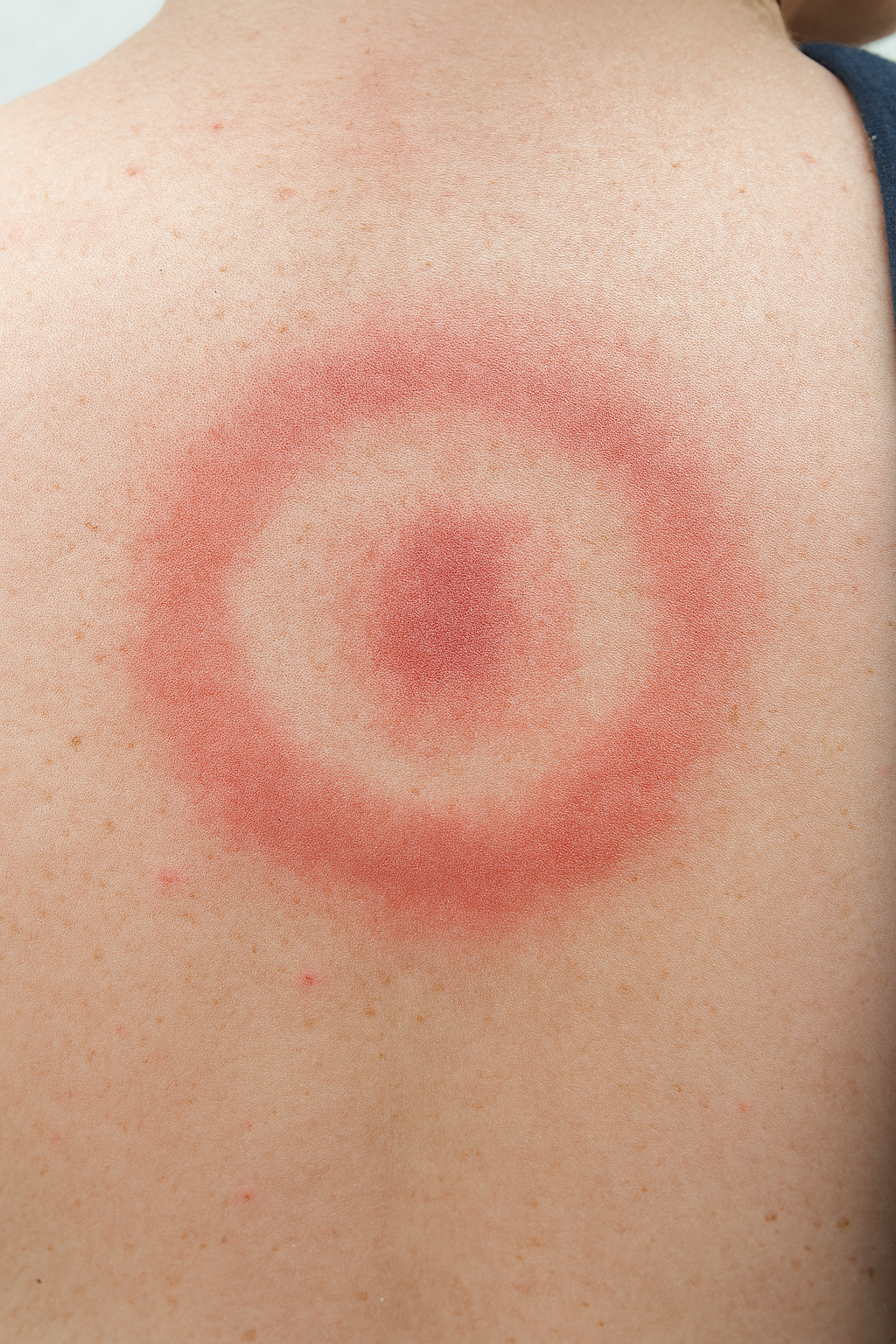
Caused by the insidious bacteria Borrelia burgdorferi—spread by the bite of an infected blacklegged (deer) tick—Lyme disease isn’t just your average infection. Once it has entered your body, this silent invader can cause alarming and often bewildering symptoms that, if missed, may escalate to more severe health issues. Some cases feature the "classic" bullseye rash, but other warning signs are startlingly subtle.
Pay Attention, Act Fast
Spotting Lyme disease early is key: Seek medical attention the moment you suspect a tick bite. This bacterial threat is often treatable—but only if you’re aware of what to watch for.
Early Lyme Disease Symptoms: A Fight Against Time
Tick bites don’t always come with fair warning, but Lyme’s symptoms can appear 3 to 30 days afterward, so vigilance is critical. It might start deceptively small, but don’t let your guard down.
The Red Flag: A Troubling Rash
Nearly 80% of those infected will develop a rash at the bite site. Known as erythema migrans, it often looks like a bullseye, but it can also appear as a red blotch, expanding up to a whopping 12 inches. Oddly enough, this rash won’t itch or sting, which may tempt sufferers to dismiss it—don't. Some people with Lyme never see a rash, making vigilance all the more vital.
Flu-Like Symptoms You Can’t Ignore
Fatigue, headaches, fever… these may mimic your usual flu. But here’s the kicker: Unlike the flu, coughing and congestion are absent with Lyme disease. Instead, suspect Lyme if you also experience:
- Muscle or joint pain
- Stiff neck
- Swollen lymph nodes
- Chills
You might shake these symptoms off as "seasonal," but your immune system is sounding the alarm—don’t silence it.
When Lyme Progresses: The Danger Intensifies
If weeks go by without treatment, Lyme disease doesn’t just linger—it grows bolder, spreading quietly inside your body.
Worsening Rashes
As bacteria invade, earlier rashes may grow into blotchy reddish or blue-tinged outbreaks. Some form additional bullseyes on your skin. By the time you notice, Lyme may have already swept through your body.
Physical and Cognitive Assault
Lyme bacteria have a chilling ability: they invade the brain. This can lead to:
- Extreme exhaustion: Crushing fatigue strikes up to 76% of affected individuals.
- Memory lapses and brain fog: Fuzzy thinking and forgetfulness are eerily common. You may feel as though your brain is betraying you.
- Severe cases: Facial weakness, loss of coordination, or even sharp behavioral changes may occur if left untreated too long.
Pounding Headaches
Intense migraines are no stranger to Lyme sufferers. Around 70% of patients experience sharp, throbbing pain, especially when exposed to light or noise. This is no ordinary headache—this is your body pleading for attention.
Joint and Muscle Woes
Sixty percent of untreated Lyme cases progress to severe joint pain or arthritis, often striking areas like the knees. The pain’s wax-and-wane pattern may lull sufferers into false reassurance—meanwhile, permanent joint damage may quietly begin.
Heart Risks
While rarer (affecting about 11% of cases), Lyme’s ability to inflame heart tissue could cause dangerous palpitations, chest pressure, or even fainting without much physical exertion. Shortness of breath accompanying these symptoms—something that's not tied to actual activity—should be treated as an immediate red flag.
Don’t Delay: When to Call a Doctor
Tick bites are never benign. Lyme disease’s progression means the stakes only escalate with every passing day. The longer it goes untreated, the harder it becomes to reverse damage to your joints, heart, or brain.
How Doctors Can Help
- Testing isn’t always foolproof: Early in the infection, false negatives are common. Insist on retesting if you strongly suspect symptoms due to a recent bite.
- Treatment is available: Timely use of antibiotics can halt the infection’s march and spare you from life-altering complications.
Bottom Line: Lyme disease is a shape-shifting threat that thrives on late detection. Don’t wait. If you or a loved one exhibit red flags, don’t gamble with your health—see your doctor immediately.
Disclaimer: This content is a summary of recent research and news for informational and educational purposes only. It does not constitute medical advice, diagnosis, or treatment. Always seek the advice of your physician or another qualified healthcare provider with any questions you may have regarding a medical condition.