
Promising Breakthroughs for Tackling Babesiosis: Hope Emerges from Herbal Medicines

Exciting news is emerging in the fight against tick-borne diseases like babesiosis, offering fresh hope for those affected—particularly for individuals struggling with limited treatment options. A groundbreaking new study has identified five herbal medicines with potent activity against Babesia duncani, a malaria-like parasite transmitted by ticks. Published in the journal Frontiers in Cellular and Infection Microbiology, this research points to the potential of plant-based therapies in addressing persistent and resistant infections.
Collaboration between medical and natural health experts from institutions such as the Johns Hopkins Bloomberg School of Public Health, California Center for Functional Medicine, and FOCUS Health Group, Naturopathic, is breathing fresh optimism into what can feel like a debilitating health challenge. The study, supported by the Bay Area Lyme Foundation, signals a welcome step forward in developing new solutions for a disease that has challenged modern medicine.
Tackling a Growing Health Concern with New Strategies
Babesiosis is a serious illness caused by infection with Babesia duncani. Like Lyme disease, it is transmitted to humans by ticks and poses unique challenges for patients—and for healthcare providers—largely due to limited treatments and rising resistance to therapies. However, this latest research reveals that nature may already offer tools to combat this parasite.
“This research is particularly important because many conventional treatment options for this disease are proving inadequate,” explained co-author Sunjya K. Schweig, MD. “Patients who don’t respond to standard therapies have been turning to herbal treatments, but until now, most of the evidence has been anecdotal.”
According to Schweig, this study bridges that gap by providing encouraging laboratory evidence. “We hope this data inspires other researchers to further investigate promising herbal options for those living with tick-borne illnesses,” he added.
Herbal Heroes Against Babesia
The study rigorously tested 46 herbal extracts for their ability to inhibit Babesia duncani in the laboratory. Researchers compared them with current first-line treatments—quinine and clindamycin—used to manage active babesiosis. Among the extracts analyzed, five stood out for their potent inhibitory activity:
- Cryptolepis sanguinolenta
- Artemisia annua (Sweet wormwood)
- Scutellaria baicalensis (Chinese skullcap)
- Alchornea cordifolia (African Christmas bush)
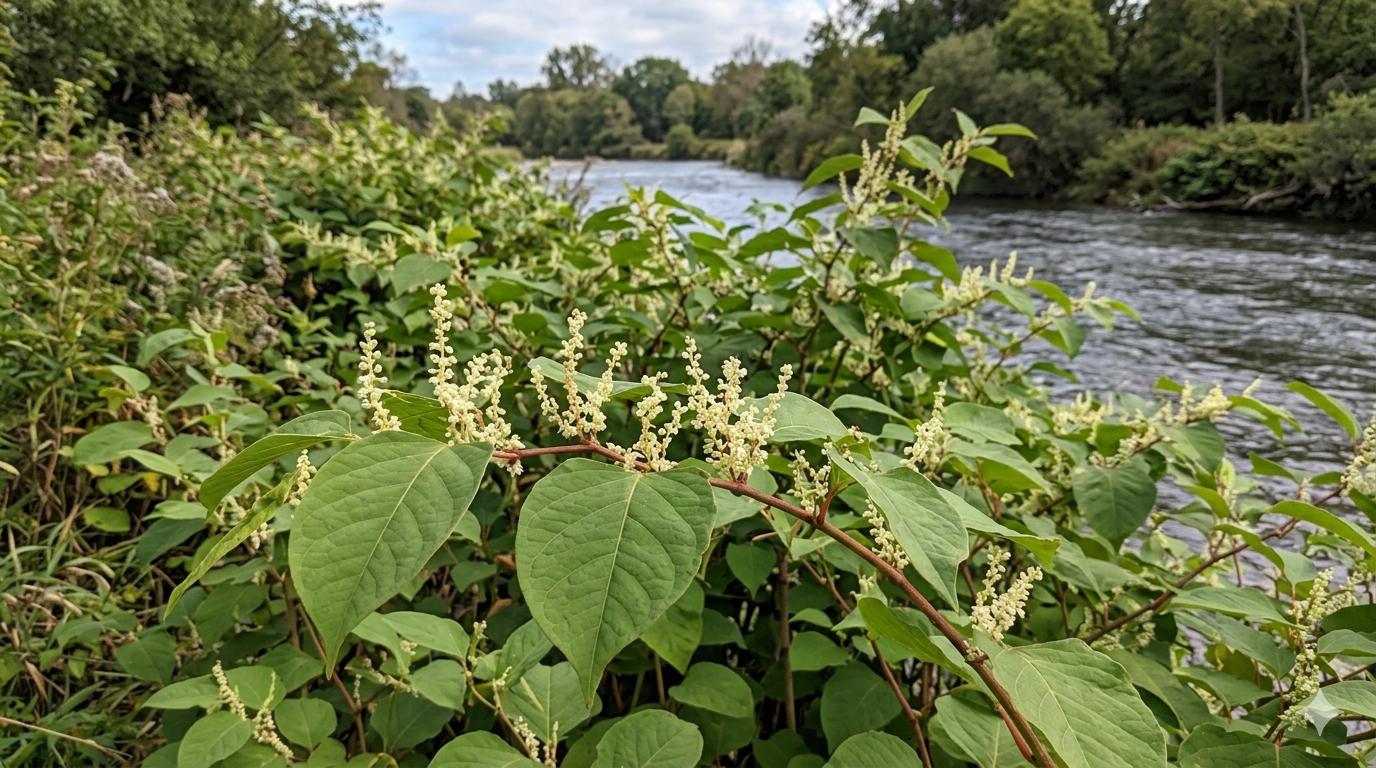
- Polygonum cuspidatum (Japanese knotweed)
These five botanical medicines, already in clinical use for various conditions, have a track record of safety when used appropriately. While more research is needed, including in vitro studies, animal models, and human clinical trials, the findings are a beacon of hope.
Building a Pathway to Safer, More Effective Treatments
Although these naturally derived compounds show exciting potential, their journey to becoming mainstream treatments requires further work. Clinical studies will be essential to determine their efficacy in real-world settings, along with any possible side effects. But there’s cause for optimism: these plants have already been used in practices like traditional medicine and integrative health, making them strong candidates for future therapies.
This multi-disciplinary study serves as a clear call to action, encouraging researchers and clinicians to explore plant-based treatments as complementary—or even alternative—approaches to battling Babesia duncani.
Supporting Patients with Persistent Illness
For those who have felt stuck when conventional treatments fail, this research brings a message of hope and resilience. Nature’s pharmacy has long provided remedies, and this study emphasizes that scientifically evaluating herbal therapies can open new doors for healing. As Schweig optimistically put it, "With limited therapeutics for babesiosis now, this data provides a valuable foundation to drive future innovation and patient care."
The findings also shine a light on the importance of collaboration between traditional and natural medicine communities—ensuring that patients receive care that is safe, informed, and cutting-edge.
The study, titled “Botanical medicines Cryptolepis sanguinolenta, Artemisia annua, Scutellaria baicalensis, Polygonum cuspidatum, and Alchornea cordifolia demonstrate inhibitory activity against Babesia duncani,” was conducted by a team including Yumin Zhang, Hector Alvarez-Manzo, Jacob Leone, ND, Sunjya Schweig, MD, and Ying Zhang, MD, PhD.
As researchers build on this promising foundation, hope grows stronger for a future where patients have more tools to fight tick-borne diseases—and reclaim their lives.
This is a summary of recent news or research for informational purposes only. It is not medical advice, diagnosis, or treatment. Always consult your healthcare provider for personalized guidance.